

Land Rover Defender EGR delete
2.4 TDCi and 2.2 TDCi Duratorq in the L316, 2.0 and 3.0 Ingenium in the L663. Software EGR delete through the OBD port, £220, at the farm, the yard or the driveway.
Call 0161 694 7331 with the reg and we will confirm the engine before we set off.
For off-road and track use only.
Which engine is in your Defender
Two generations, four diesel engines and two different EGR layouts. Which one is under your bonnet decides what fails, when, and how many circuits the delete has to close.
| Engine | Defender | Years | EGR weak point | |---|---|---|---| | 2.4 TDCi Duratorq four-cylinder | L316 | 2007 to 2011 | Valve sticks with carbon; cooler cracks on high-mileage vehicles | | 2.2 TDCi Duratorq four-cylinder | L316 | 2012 to 2016 | Same valve and cooler faults as the 2.4 | | 2.0 D200 and D240 Ingenium four-cylinder | L663 | 2020 launch year | High-pressure and low-pressure circuits; low-pressure valve and cooler fouling | | 3.0 D200, D250 and D300 Ingenium six-cylinder mild hybrid | L663 | 2021 onward | Twin-circuit layout; record thin |
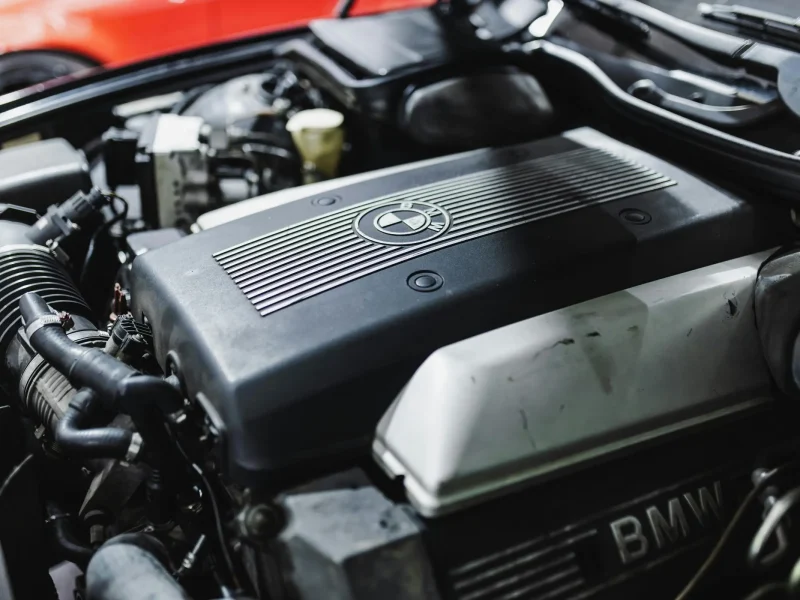
The two Duratorqs are the engines we see most, because the L316 is the Defender still doing a day's work on farms and estates across Lancashire and Cheshire. Ford fitted the same family to the Transit in those years, and it goes the same way in both: carbon on the valve first, a cracked cooler later, coolant dropping with no puddle to find.
The L663's Ingeniums are a different design. The low-pressure loop takes exhaust gas from after the particulate filter and feeds it back in ahead of the turbo, so there are two valves and two coolers to carbon up instead of one. The six-cylinder is newer and its EGR record is short. All four are covered by the same remap.

How the delete is done on the Defender
You call with the reg and the engine.
We confirm the ECU type before we set off.
We come to the vehicle
farm yard, estate workshop, plant compound or home address within 40 miles of Eccles.
Pre-remap read of every stored code, so we know what else the vehicle has logged.
ECU file read through the OBD port, the EGR delete written into it and the file flashed back.
Engine restarted, live data checked to confirm the ECU is no longer commanding the EGR valve, or on the L663, either of them.
Codes cleared, done.
Typically 60 to 90 minutes.
Nothing is unbolted. The valve, the cooler and the pipework stay on the engine and stop being used.
Delete versus replacement on the Defender
An EGR valve is £300 to £700 fitted at an independent garage. On the L316 the cooler is the part that usually fails, and it is more of a job to reach than the valve, so the labour hours go up; at £60 to £100 an hour independent or £100 to £140 at a dealer, valve, cooler, gaskets and coolant together land well above the valve range. The L663 Ingenium has two valves and two coolers. An EGR clean is £80 to £200 and lasts until the same slow, cold running fouls the valve again.
The software delete is £220, once, whichever engine. If the DPF is blocked as well, the DPF and EGR delete are done in the same visit for £445.
Off-road and track use
The Defender EGR delete is for off-road and track use only. A vehicle with the EGR removed from its software does not meet the emissions requirements for use on a public road, and the owner is responsible for how the vehicle is used after the remap. Working Defenders on farms, estates, forestry ground and private land are the population this service exists for.
Defender engine questions
Which engine is in my Defender, and how do I check?
Does the delete cover both the high-pressure and low-pressure EGR on the newer Defender engines?
Is the Defender done through the OBD port, or does the ECU have to come out?
Does the delete change the power or fuelling on the Defender?
Other Land Rover models we cover
Pick your model:
Book your Defender EGR delete: call 0161 694 7331 with the reg and we will confirm the engine and a time.
£220, mobile, 60 to 90 minutes on site, no call-out charge. Same-day and next-day slots are common within 40 miles of Eccles.
For off-road and track use only.