

Is your car in limp mode? It could be your EGR valve
Something is wrong with your car. The power has dropped off, a warning light is on, or you're seeing black smoke puffing out of the exhaust. These are frustrating symptoms, and they are also some of the most common signs of a failing EGR valve.
You may not have heard of the EGR valve before, but if your diesel car is misbehaving, there is a good chance it is involved. Here is what each symptom means and how we can fix it.
What is the EGR valve and why does it cause problems?
EGR stands for exhaust gas recirculation. The valve routes a portion of exhaust gases back into the engine's intake to reduce emissions. Over time, especially in stop-start driving and urban conditions, the valve clogs with carbon deposits, sticks open, or sticks closed.
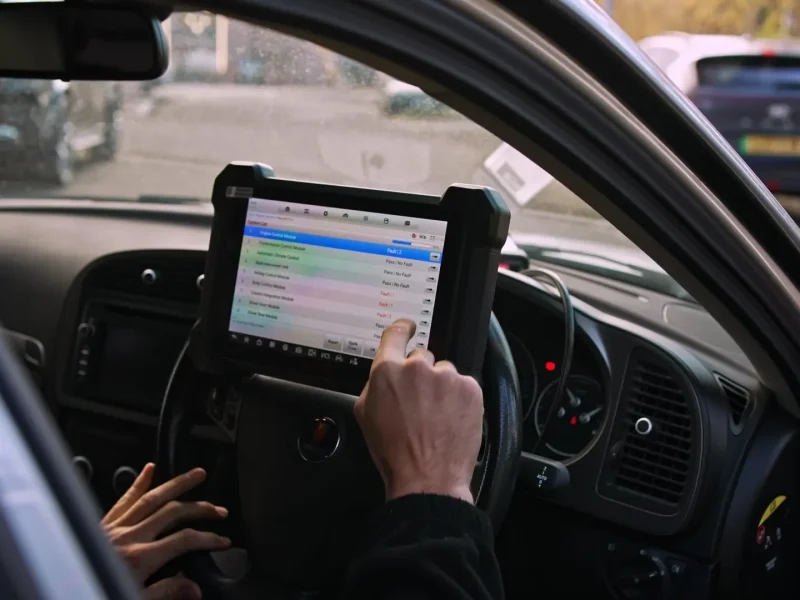
When the ECU detects that the EGR valve is not behaving as expected, it triggers a fault code and responds by protecting the engine. That protection is what causes the symptoms you are experiencing.
Common symptoms of an EGR fault
Car in limp mode
Limp mode is the engine management system's way of protecting your vehicle. When the ECU detects a serious fault, it limits engine power and RPM so you can get the car to a garage without causing further damage. Your car will feel sluggish, refuse to rev past a certain point, and may feel like it is struggling to maintain speed.
A faulty EGR valve is one of the most common triggers. If you are in limp mode and the EGR fault code is present, an ECU delete will clear the fault and restore full engine performance.
Black smoke from the exhaust
Black smoke from the exhaust is a sign that your engine is running rich, burning more fuel than it should. When the EGR valve sticks open, it recirculates too much exhaust gas into the intake, disrupting the air-fuel mixture and causing incomplete combustion. The result is that dark, acrid smoke, often most visible on acceleration.
Left unchecked, a stuck-open EGR valve can increase fuel consumption and put additional strain on your engine over time.
Engine management light
The engine management light can be triggered by dozens of different fault codes, but EGR-related codes are among the most common. The light simply means the ECU has detected something outside its expected parameters and has logged a code. In many cases, particularly on diesel vehicles over 60,000 miles, that code points directly to the EGR valve.
A diagnostic scan will confirm the exact code. If it is EGR-related, we can resolve it permanently.
Our fix: mobile EGR delete across Greater Manchester
At The EGR Specialist, we carry out EGR deletes via ECU remap. We come to you anywhere within a 40-mile radius of Eccles, covering the whole of Greater Manchester.
The process is straightforward: we connect to your ECU, remove the EGR function from the software, and clear the associated fault codes. Your car no longer relies on the EGR valve, so there are no further faults, no limp mode events related to EGR, and no more warning lights from that source.
Price: £220. No garage visit needed.
With over 7,000 vehicles worked on, we know exactly what we are doing. Call us on 0161 694 7331 to book or ask a question.
Please note: EGR delete is for off-road and track use only.