

EGR delete and your MOT, what you need to know
If you're researching an EGR delete and you need your vehicle to pass an MOT for road use, this page will save you time and money. The short answer is this: an EGR delete will very likely cause your vehicle to fail a standard MOT emissions test, and we won't pretend otherwise.
Here's exactly what the test looks for, why a delete causes problems, and what your genuine options are.
What the MOT checks for on diesel emissions
The MOT test for diesel vehicles includes two emission-related checks that are relevant here.
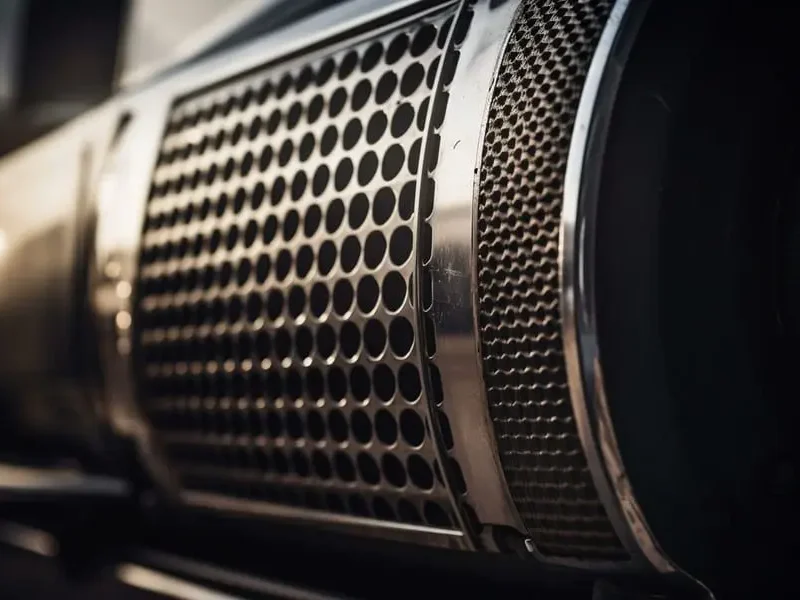
The first is a smoke opacity test. The tester revs the engine to high RPM and measures how much particulate matter comes out of the exhaust. A diesel in good working order should pass comfortably. A vehicle with a deleted or blanked EGR may produce higher levels of NOx and combustion byproducts under load, which can push it over the acceptable threshold.
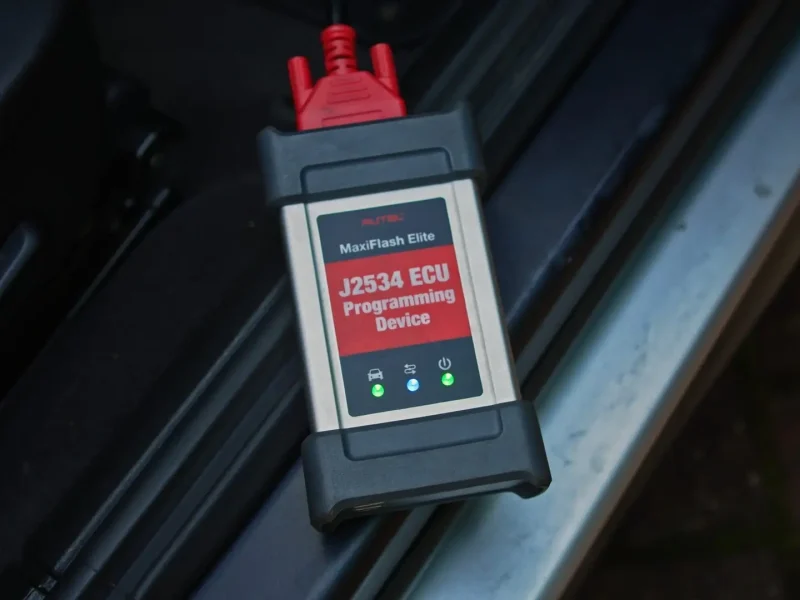
The second check is an OBD (on-board diagnostics) scan. From 2018 onwards, the MOT requires testers to plug into your vehicle's OBD port and check for stored fault codes. If your ECU has been remapped to delete EGR function, the system may flag missing sensor responses or deactivated components, depending on how the remap was carried out. Either way, the tester will see something that wasn't expected.
Both of these checks were tightened as part of the EFTD (Enhanced First Time Deletion) changes introduced in 2018. Modern MOT testing is more thorough on diesel emissions than it was a decade ago, and an EGR delete is increasingly difficult to hide from it.
Our position: honesty first
We carry out EGR deletes via ECU remap for off-road and track use only. That is the lawful application for this work in the UK, and it is the only application we carry it out for.
If your vehicle goes through a standard MOT and you use it on public roads, an EGR delete is not the right solution for you. We will tell you that before you spend a penny.
The customers we work with are track day drivers, motorsport competitors, agricultural vehicle owners, plant and machinery operators, and people with vehicles that are simply never going to see a standard MOT bay. For those customers, removing a failing or coked-up EGR valve from the equation makes a real difference to reliability and running costs.
We have worked on over 7,000 vehicles across Greater Manchester and within a 40-mile radius of Eccles. We come to you. The work costs £220 and is completed as a mobile ECU remap, so there is no need to move a vehicle that may not be road-legal or roadworthy.
Can an EGR delete be reversed?
Yes. Because the delete is carried out via ECU remap rather than physical removal of the valve, the process can be reversed. If your circumstances change, the ECU can be reflashed back to the original map, restoring EGR function and returning the vehicle to its standard emissions profile.
This is worth knowing if you're considering a delete for a competition vehicle that may eventually return to road use. The option is there.

Talk to us before you commit
If you're not sure whether an EGR delete is right for your situation, call us first. We would rather spend five minutes on the phone helping you make the right decision than take your money for work that doesn't solve your problem.
Call The EGR Specialist on 0161 694 7331.