
Audi EGR delete
EGR delete is for off-road and track use only. This service is not suitable for vehicles used on public roads.
The TDI EGR problem
Audi's TDI engines have powered some of the most popular diesel cars sold in the UK over the past twenty years. The 2.0 TDI in particular, produced in EA189 and EA288 form, is one of the most common diesel units on the road. It is also one of the most frequently seen engines in our booking list.
The EA189 engine, produced from around 2005 to 2015, has an EGR system that is prone to both valve failure and EGR cooler failure. The EA288, which replaced it from 2014 onwards, improved on the platform in several areas but retained the same fundamental EGR weakness. In both cases, the result is the same: coked-up intake passages, reduced flow, and an engine management system that eventually throws a fault and pulls back power.
The standard repair is to replace the valve, the cooler, or both. That works, for a while. The conditions that caused the original failure have not changed, so the replacement part goes the same way. We take a different approach.

What the ECU delete does
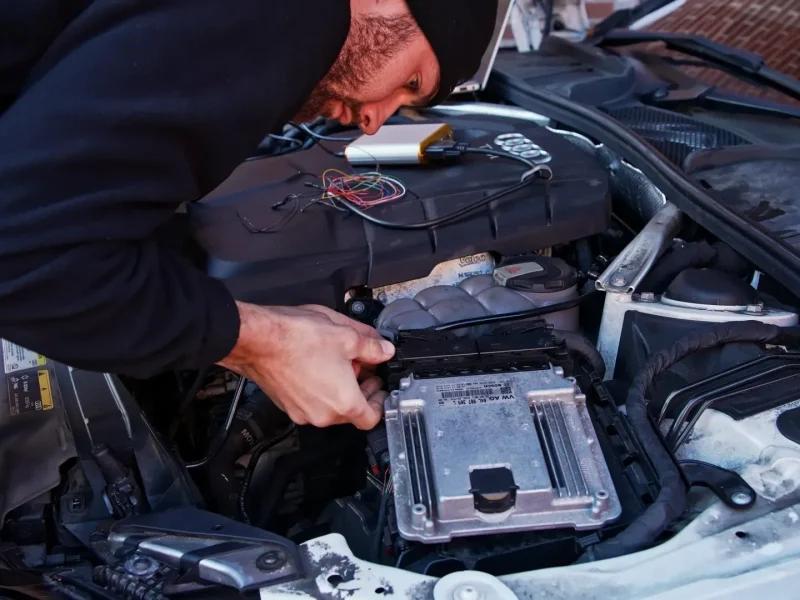
We connect to the Audi's engine management unit and remap the relevant software tables so the ECU no longer expects or monitors EGR function. Once the remap is applied, the EGR system ceases to exist as far as the engine is concerned. No fault codes. No limp mode. No EGR-related symptoms.
The physical EGR valve and cooler remain in place. We do not carry out any mechanical work, blanking or physical removal.
Audi models and engines we cover
We work on the following Audi TDI models regularly, among others:
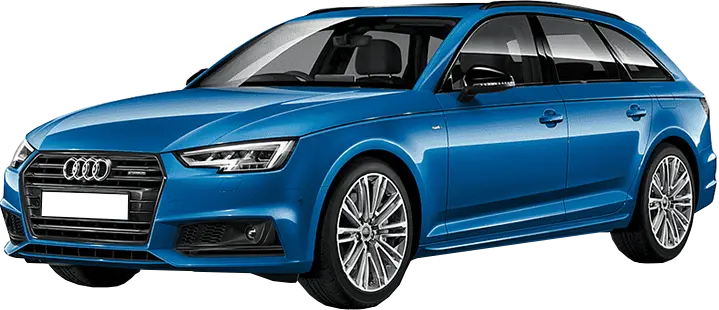
A4 (B7, B8, B9) 2.0 TDI, The B7 (2004 to 2008) ran the earlier pump-düse (PD) 2.0 TDI, before the B8 (2008 onwards) moved to the common-rail EA189 and, from 2014, EA288. EGR valve and cooler failure are common across all of them. The B8 generation in particular appears frequently in our booking records.
A6 (C6, C7, C8) 2.0 TDI and 3.0 TDI, The 2.0 TDI units see the same faults as the A4. The 3.0 TDI V6 has a different EGR configuration but is still covered.
A5 and A7 2.0 TDI, Same EA189/EA288 platform as the A4. EGR faults follow the same pattern.
Q5 (FY, 80A) 2.0 TDI, The Q5 is one of the most common models we see for Audi EGR work. Both the older 2.0 TDI and the newer EA288-based unit are affected.
Q7 3.0 TDI, The V6 TDI in the Q7 suffers EGR cooler failure in particular. We cover this engine as part of our standard service.
If your Audi model or engine is not listed, call 0161 694 7331 and we will confirm whether it is suitable.
What EGR failure looks like on an Audi TDI
Audi EGR faults do not always announce themselves immediately. In many cases the engine develops a rough idle or slight hesitation before any warning light appears. Once the fault is logged by the ECU, the most common presentation is:
Some owners find the fault clears temporarily and then returns. This is consistent with a partially stuck or intermittently failing EGR valve, and it will worsen over time.
Booking and what to expect
We come to you. There is no workshop visit and no vehicle recovery. Here is the process:
Call 0161 694 7331 or get in touch to confirm your Audi model, engine and symptoms.
We agree a time and location within our coverage area.
We arrive, connect to the ECU via the OBD port, and carry out the remap on-site.
The remap is verified, the fault is cleared, and you are done.
Most appointments take under an hour. We cover Greater Manchester and surrounding areas within 40 miles of Eccles, including Salford, Bolton, Wigan, Stockport, Warrington and beyond.
Price
Audi EGR delete is £220 flat. No call-out charge. No variable pricing based on model or engine.