

Ford Transit Connect EGR delete
1.8 TDCi, 1.6 TDCi and 1.5 EcoBlue. Three diesels across twenty years of Connect, and every one of them ends up with a carboned EGR valve. Software EGR delete through the OBD port, £220, at your address.
Call 0161 694 7331 with the reg and we will confirm the engine before we set off.
For off-road and track use only.
Which engine is in your Transit Connect
Two generations of Connect, three diesel engines from two manufacturers. The badge on the back tells you little, so start with the engine.
| Engine | Transit Connect | Years | EGR weak point | |---|---|---|---| | 1.8 TDCi, Ford Lynx four-cylinder | Mk1 | 2002 to 2013 | Valve sticks with carbon; codes and limp mode with age and mileage | | 1.6 TDCi, PSA DV6 four-cylinder | Mk2 | 2013 to 2018 | Valve carbon and sticking, the DV6's usual fault | | 1.5 TDCi, Duratorq-DLD four-cylinder | Mk2 | 2016 to 2018 | Valve fouling | | 1.5 EcoBlue, PSA DV5 four-cylinder | Mk2 | 2018 to 2022 | Euro 6 unit; newer, with a thin EGR record so far |
The Mk1's 1.8 TDCi is the Lynx engine Ford also fitted to the Focus and Mondeo of the same era. Its EGR fault is the plain one: soot builds on the valve until it stops seating, the ECU sees a flow figure it cannot match to what it asked for, and the van drops into limp mode on the way to a job.
The Mk2 moved to PSA engines. The 1.6 TDCi is the DV6 sold in the Peugeot Partner and Citroën Berlingo as the 1.6 HDi, and it fouls the same way in all three: valve first, with age and mileage. The DV6's turbo oil-feed problems are a separate fault and the delete does nothing for them. The 1.5 TDCi and the 1.5 EcoBlue that replaced it are different engines despite the shared badge, which is why the table carries a confirm tag on the 2016 to 2018 vans. Other Ford vans are on the Ford EGR delete hub.

How the delete is done on the Transit Connect
You call with the reg and the engine.
We confirm the ECU type before we set off, so there are no surprises on the day.
We come to the van
home, workplace, yard or site, anywhere within 40 miles of Eccles.
Pre-remap read of every stored code, so we know what the van has been logging and whether anything other than the EGR is in there.
ECU file read through the OBD port, the EGR delete written into it and the file flashed back.
Engine restarted and live data checked to confirm the ECU is no longer commanding the valve.
Codes cleared, done.
Typically 60 to 90 minutes from arrival to handing the van back.
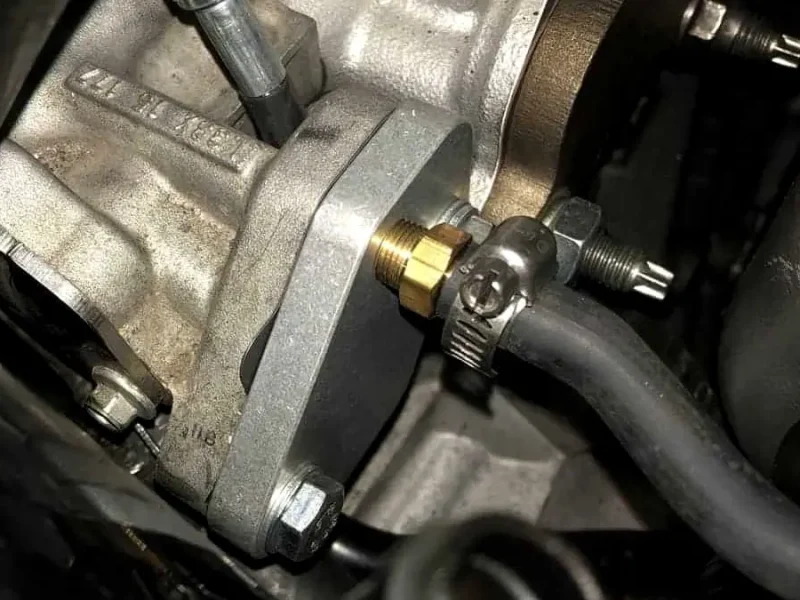
No parts are removed. The valve and, on the engines that have one, the cooler stay in place and stop being used.
Delete versus replacement on the Transit Connect
A replacement EGR valve on a Connect is £300 to £700 fitted at an independent garage, depending on the engine and whether the cooler comes out with it. An EGR clean is £80 to £200 and buys months rather than years on a van doing short runs. Both put a clean part back into the same duty cycle that fouled the first one.
The software delete is £220, once. No parts, no strip-down, no second bill when the new valve goes the same way. If the DPF light is on as well, the DPF and EGR delete are done in the same visit for £445.
Off-road and track use
The Transit Connect EGR delete is for off-road and track use only. A vehicle with the EGR removed from its software does not meet the emissions requirements for use on a public road, and the owner is responsible for how the vehicle is used after the remap. Connects that spend their working week on housing developments, compound yards and farm tracks are the vans this service exists for.
Transit Connect engine questions
Which engine is in my Transit Connect, and how do I check?
Does the delete cover both the high-pressure and low-pressure EGR on the newer Transit Connect engines?
Is the Transit Connect done through the OBD port, or does the ECU have to come out?
Does the delete change the power or fuelling on the Transit Connect?
Other Ford models we cover
Pick your model:
Book your Transit Connect EGR delete: call 0161 694 7331 with the reg and we will confirm the engine and a time.
£220, mobile, 60 to 90 minutes at your address, no call-out charge. Same-day and next-day slots are common across Greater Manchester and the 40-mile radius we cover from Eccles.
For off-road and track use only.