

Faulty EGR valve symptoms, what to look out for
If your diesel is struggling to pull, blowing black smoke, or sitting in limp mode, the EGR valve is one of the first things worth looking at. It is one of the most common failure points on modern diesel engines, and the symptoms it causes are hard to miss once you know what to look for.
Below we cover the main signs of a faulty EGR valve, why they happen, and what you can do about it.
Engine management light on
The engine management light (EML) is usually the first warning you will see. When the ECU detects an abnormal reading from the EGR circuit, whether the valve is stuck, sluggish, or failing to respond, it logs a fault code and triggers the warning light. Common codes include P0400, P0401, P0402, and P0404.
The light on its own does not confirm the EGR is the problem, but combined with any of the symptoms below, it is a strong indicator. A diagnostic scan will confirm the fault code.

Limp mode
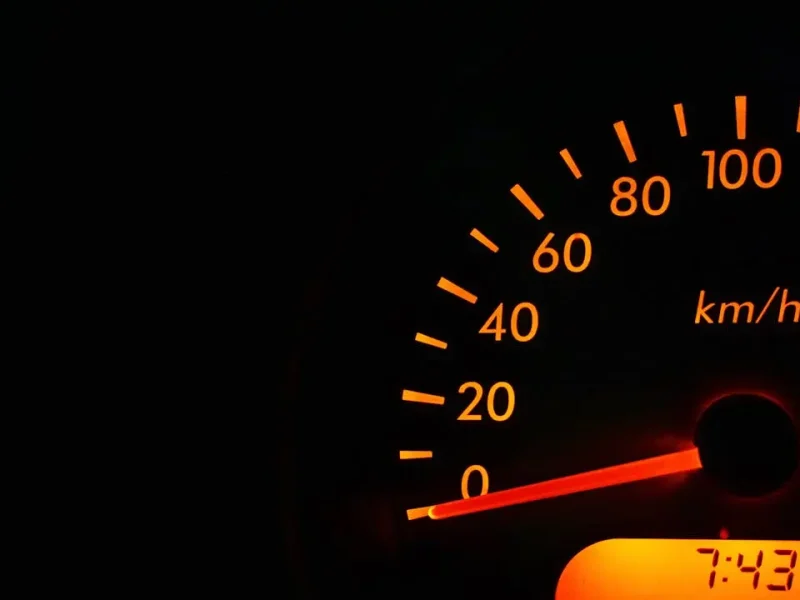
Limp mode is the engine's self-protection response. When the ECU detects a fault serious enough to risk engine damage, it limits power output and often caps revs, typically around 2,500 to 3,000 rpm. The car will feel gutless, struggle on inclines, and refuse to pull freely at speed.
A faulty EGR is a common trigger for limp mode on diesel vehicles. If your car has dropped into limp mode alongside an EML, a failed or stuck EGR valve is a likely cause.
Black smoke from the exhaust
Visible black smoke from the exhaust, particularly under acceleration, points to incomplete combustion. When the EGR valve sticks open, it feeds exhaust gases back into the intake at the wrong time, diluting the air-fuel mixture. The engine compensates by injecting more fuel, which does not fully burn, and the result is black smoke.
If you are noticing heavy smoke when you put your foot down, or at idle when the engine is warm, the EGR circuit is worth investigating.

Loss of power and sluggish acceleration
A stuck or coked-up EGR valve disrupts the intake charge. With too much recirculated exhaust gas in the mix, the engine cannot generate the combustion it needs, and power drops noticeably. Acceleration feels laboured, the engine lacks its usual response, and the vehicle may feel heavier than normal on the road.
This is often described as the engine feeling “flat” or like it is working harder than it should for the speed.
Rough idle or hesitation
At idle, the EGR valve should be closed. If it is stuck partially open, exhaust gases bleed into the intake at low load when they should not be there. The result is an uneven or lumpy idle, sometimes accompanied by a slight shudder or vibration through the cabin.
You may also notice hesitation when pulling away from a standstill or picking up speed from low revs, the engine stumbles before it catches.

Poor fuel economy
Because a faulty EGR upsets combustion efficiency, the engine uses more fuel to produce the same output. If you have noticed your diesel drinking more than usual without a clear reason, and other symptoms are present, the EGR is worth adding to your diagnostics list.
Why the EGR valve causes these symptoms
The EGR (exhaust gas recirculation) valve controls how much exhaust gas is fed back into the intake manifold. This reduces combustion temperatures and lowers NOx emissions. Over time, carbon deposits build up inside the valve, causing it to stick open, stick closed, or operate sluggishly.
Stuck open: exhaust gases flood the intake continuously, diluting the air charge, disrupting combustion, and triggering fault codes.
Stuck closed: the ECU sees zero flow where it expects some, and logs a fault. Depending on the vehicle, this can also trigger limp mode.
Either way, the ECU detects something wrong and responds with a warning light, a fault code, and in many cases a power restriction.
Our fix, mobile EGR delete across Greater Manchester
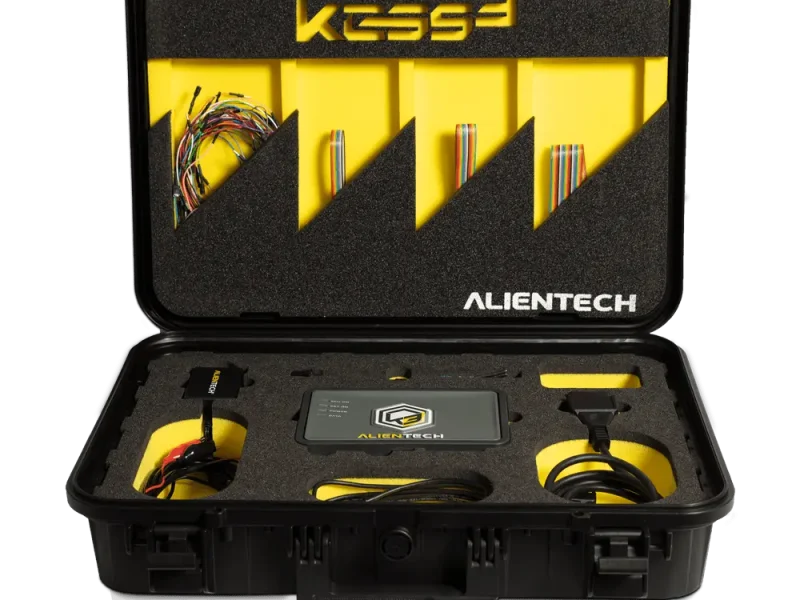
We offer a permanent software-based EGR delete via ECU remap, carried out at your location anywhere within a 40-mile radius of Eccles. No garage visit, no waiting around, we come to you.
Price: £220. Over 7,000 vehicles worked on.
Call us on 0161 694 7331 to book or ask any questions.
Important: EGR delete is for off-road and track use only. It is the customer's responsibility to ensure the vehicle complies with all applicable road traffic legislation.