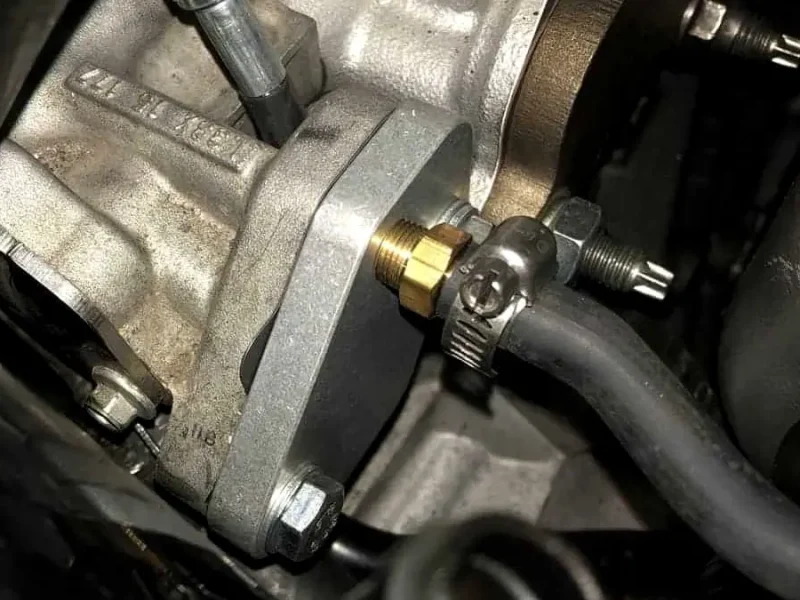

Car in limp mode? It could be your EGR valve
Limp mode is your car's way of telling you something is wrong. The ECU detects a fault, cuts power, and locks the vehicle into a reduced performance state to prevent further damage. It's a protective response, but being stuck in limp mode isn't something you can ignore or reset your way out of.
If you're driving a diesel and your car has gone into limp mode, there's a good chance the EGR valve is involved.
What is limp mode?
Limp mode (sometimes called limp home mode or fail-safe mode) is a built-in safety feature. When the ECU picks up a fault it considers serious, it restricts the engine's power output and, in many cases, limits your top speed. The idea is to let you get the vehicle to a safe place without causing catastrophic engine damage.
The symptoms are hard to miss. The car feels sluggish, won't rev properly, and may refuse to go above 30–40 mph. The engine management light will usually be on. Some vehicles will display a warning message directly on the dashboard.
Common causes of limp mode
A car can enter limp mode for a number of reasons. The most frequent causes on diesel vehicles include:
The only reliable way to identify the cause is to read the fault codes using an OBD reader. These plug into the diagnostic port (usually found under the dashboard on the driver's side) and take less than a minute to run. You don't need a garage to do this, affordable OBD readers are widely available, and many petrol stations and motor factors will run the codes for free.
The EGR connection
On diesel engines, a faulty or clogged EGR (exhaust gas recirculation) valve is one of the most common triggers for limp mode. The EGR valve recirculates exhaust gases back into the intake to reduce emissions. Over time, particularly on high-mileage vehicles or those used mainly for short runs, the valve and surrounding pipework can become heavily carbonised and either stick open, stick closed, or start sending erratic signals to the ECU.
When that happens, the ECU sees readings it doesn't trust and puts the vehicle into limp mode as a precaution.
Common EGR-related fault codes to look for include:
If you're seeing one of these codes alongside limp mode symptoms, the EGR system is almost certainly the root cause.
What not to do
Many drivers clear the fault code, the limp mode goes away, and they assume the problem is solved. It isn't. The code will return, usually within a short drive, because the underlying fault is still there. Repeatedly resetting the ECU without fixing the cause can also make diagnosis harder over time.
If your codes point to the EGR, the fault needs to be addressed properly.
How we fix it
We come to you. The EGR Specialist operates across Greater Manchester and within a 40-mile radius of Eccles, offering a fully mobile EGR delete service via ECU remap.
Rather than cleaning or replacing a valve that is likely to fail again, we remap the ECU to remove the EGR from the engine management system entirely. The vehicle no longer references the valve, the fault codes clear, and limp mode is resolved.
Price: £220. We come to your home or workplace.
We've carried out this work on over 7,000 vehicles. Call us on 0161 694 7331 to book or to check whether your vehicle is suitable.
Important: EGR delete is for off-road and track use only. This service is not for use on public roads.