

EGR valve cleaning, what it involves and when it works
EGR valve cleaning is one of the first things mechanics reach for when a diesel starts running rough, throwing a fault code, or dropping into limp mode. It makes sense to try it, cleaning is cheaper than replacement, and on the right vehicle, it works. But it is not a permanent fix, and on high-mileage diesels it is often only a matter of time before the problem returns.
Here is an honest look at what EGR valve cleaning involves, when it is worth doing, and when the better answer is removing the EGR from the equation altogether.
What EGR valve cleaning involves
The EGR (exhaust gas recirculation) valve routes a portion of exhaust gas back into the intake manifold. Over time, soot and oily carbon deposits build up inside the valve body, the passages, and around the valve seat. When the build-up is heavy enough, the valve sticks, fails to open or close correctly, and the ECU flags a fault.
Cleaning addresses that build-up. There are two main approaches:
Chemical cleaning (in-situ). An EGR system cleaner spray or fluid is introduced into the intake or applied directly to the valve. The solvent breaks down carbon deposits without removing the valve. It is quicker and less invasive, and it works well when the build-up is still relatively loose.
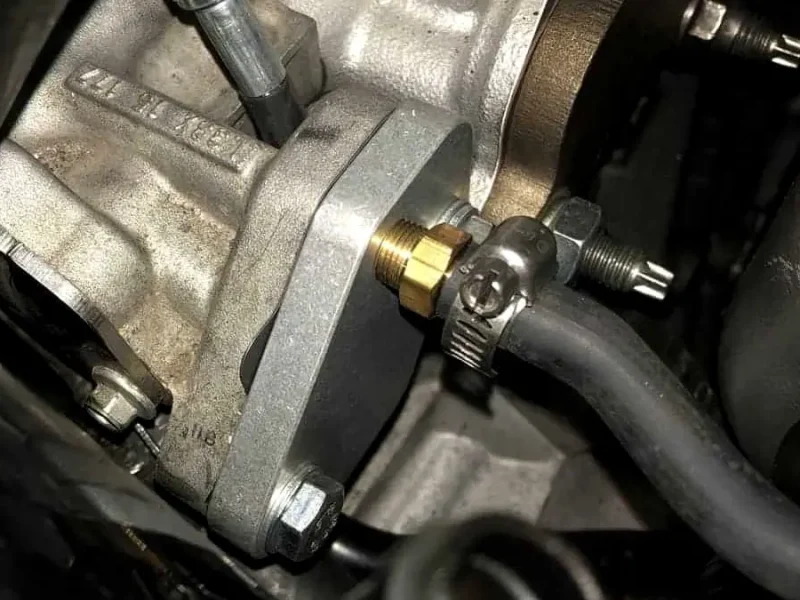
Physical removal and soak. The valve is unbolted and soaked in a dedicated egr valve cleaner solution, then scrubbed clean. This gives a more thorough result and allows a proper inspection of the valve body and actuator.
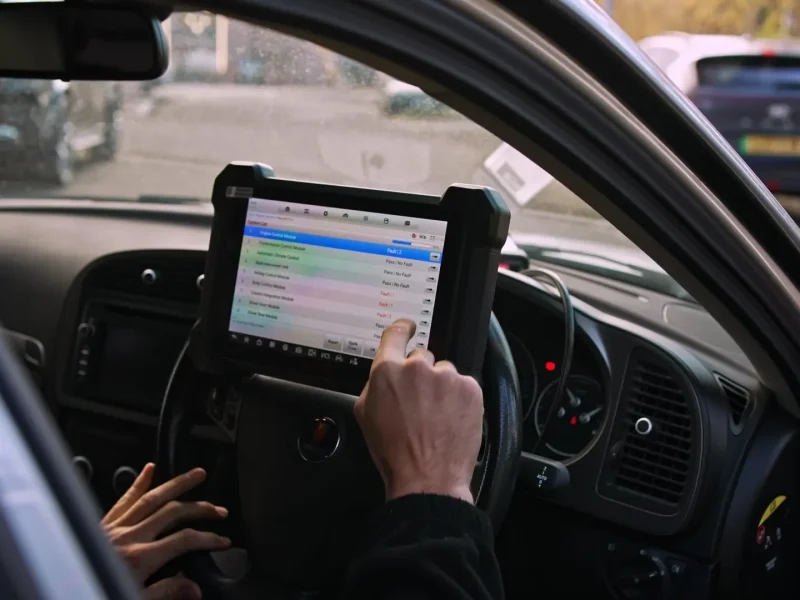
After either method, the fault codes are cleared and the vehicle is tested. If the valve moves freely and the ECU is happy, the job is done, for now.
When cleaning works
EGR valve cleaning delivers a genuine fix in the right circumstances:
In these cases, a good clean can restore proper valve operation, clear the fault, and return normal performance without further intervention.
When cleaning does not work
Cleaning has real limits. It will not fix:
On high-mileage vans and cars used in urban stop-start conditions, the EGR system works hardest and the carbon comes back fastest. Cleaning can buy time, but many owners find themselves back with the same fault code within months.

The permanent alternative
Cleaning is a maintenance fix. It removes the symptom without changing anything about the underlying cause, the EGR system continues to push exhaust gas through the intake, and the carbon continues to build.
For vehicles where the fault keeps returning, an ECU delete removes the EGR from the engine management entirely. The ECU is remapped so it no longer calls on the EGR valve. No valve movement, no carbon accumulation in those passages, no fault codes triggered by a sticky or failing valve.
At The EGR Specialist, we carry out mobile ECU deletes across Greater Manchester. We come to you, the work is done in around an hour, and the cost is a flat £220. We have worked on more than 7,000 vehicles.
Please note: EGR delete is for off-road and track use only and must not be used on vehicles driven on public roads.
Call us on 0161 694 7331 to talk through whether a delete is the right move for your vehicle.